

Is It Rude To Start Cleaning The Dishes While People Have Just Started Or Still Eating
Reading Comprehension Text and Exercises
Interesting Dining Manners in Different Cultures
Around the world, people get together to swallow lunch or dinner. Every culture has developed this social ritual in dissimilar ways, then today there are certain rules that need to exist respected while eating – for example, how to use utensils (pocketknife, fork, spoon) correctly or when to ask to be served. We call them dining or table manners.
These rules differ from ane civilisation to another, so what is considered to be polite in one order can exist seen as very rude somewhere else!
Click Hither for Step-by-Footstep Rules, Stories and Exercises to Practice All English Tenses

A Brief History of Table Manners in Europe
- Most table manners that Europeans and North Americans exercise today originate from the Age of Exploration in the 1500s. It is believed that dinners became more refined when Catherine de' Medici, who was the Pope's niece, married the hereafter King of France Henry 2. She was appalled by the fact that French people did not use forks, and had greasy hands from cutting the meat.
- Around that time, a few more than educated people, like Erasmus of Rotterdam (a Dutch scholar), had already written about the utilize of utensils and restraining oneself from eating quickly. At that time, knives, spoons and cups were shared amongst all those sitting at the tabular array, and soups were drunkard directly from the basin.
- Presently later, individual cutlery was introduced, and napkins were adopted to protect the diners' wearing apparel. Even today, it is a proficient table manner to put the napkin on the lap.
Hands Upward, French republic
When in France, you might be advised to always remainder your wrists or forearms (but not elbows) on the table while you are non using utensils to eat. Keeping your easily nether the table where nobody tin come across them is considered a bad dining manner.
In many other countries in Europe and North America, "hands on the table" is ane of the basic dining rules, particularly reiterated to children. Why is that? Some people suggest this tradition started because people were afraid of what other people might exist doing nether the tabular array, similar holding a weapon.

Siesta, Espana
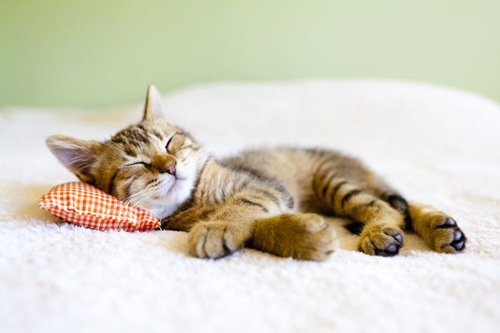
If you find yourself in Spain during the summer, you lot will notice that many shops are closed in the early afternoon, fifty-fifty on a regular work day. The reason they are closed is siesta, a short nap people accept after dejeuner.
The word siesta, meaning "nap" in Spanish, derives from the Latin discussion sexta, significant the 6th hour (counting from the dawn), which explains why siesta is ordinarily taken effectually apex.
This detail dining ritual can exist explained by the very loftier temperatures during the summer, and the not bad corporeality of food a typical midday meal in Spain includes. These two together make people very sleepy, so they made it a nation-wide acceptable addiction to take a suspension from piece of work in the middle of the day and get some rest.
Slurping, Eastward and Southward Asia
While in well-nigh European cultures making any noise while drinking or chewing is considered to exist very rude, in places like Japan and China those who slurp their soups have good dining manners.
In other words, slurping your soup or noodles very loudly sends a bulletin to the chef or the host that the food is delicious. The more loudly y'all slurp it, the more appreciation for the meal you lot show. If by any take a chance you forget to do it, the cook could exist very offended or hurt thinking that you did not savour their meal!

Eating With Easily, Ethiopia
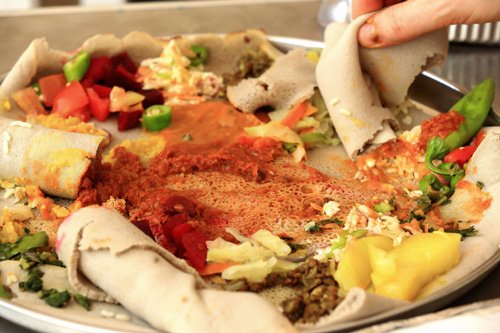
Traditionally, Ethiopian food is eaten with easily, unremarkably from a large communal plate. Several delicious meals are put together in a plate with some injera, a flat Ethiopian breadstuff, and the guests sit down around information technology.
The proper way to eat Ethiopian food is to tear off a slice of the bread, grab some nutrient that is close to you with it, and put it in your mouth. Considering you are touching the food with your hands, make certain that you always launder them before and after the meal. The left hand is considered unclean, so information technology is advisable and polite to only use your right hand to consume.
No Extra Cheese, Italy
Italian cuisine is known for using a swell diversity of cheese in large quantities. Italian pizzas and pastas are especially rich in cheese. In an Italian restaurant anywhere in the world, the parmesan cheese might fifty-fifty be freshly grated in forepart of you lot on your plate.
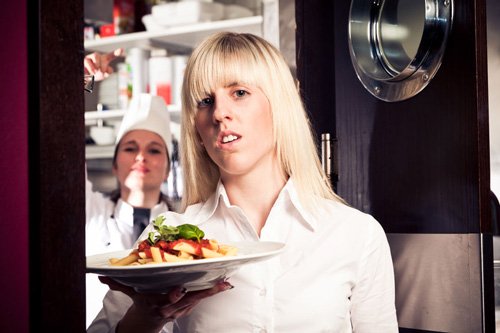
However, unless cheese is offered to y'all, you should not enquire for extra cheese for a dish similar pizza which already has a lot of cheese. Such an human action is considered to be an insult to the melt, then most waiters will simply reject to bring more cheese.
Another cheese-related rule in Italy applies to seafood – adding cheese to a seafood pasta is unimaginable co-ordinate to traditional dining manners, so it is best you avoid information technology.
Comprehension Exercises
Vocabulary Questions
- What does "reiterate" hateful?
- need
- repeat
- forgive
- What does "appalled" mean?
- feeling shocked or disgusted
- being concerned
- liking something very much
- What does "refined" mean?
- improved, elegant
- rejected, disliked
- washed again
- What does "cutlery" mean?
- the act of cut staff of life
- decrease one'southward debt
- cutting utensils
- What does "exploration" mean?
- hiding something from someone
- searching and finding out virtually something
- changing the rules
Collocation Questions
- Many shops in Espana are airtight in the __________ afternoon.
- main
- early
- get-go role of the
- Italians eat cheese in large __________.
- quantities
- sums
- volumes
- You should always __________ your wrists on the tabular array.
- lay
- relax
- residuum
- Ethiopian food is usually served in a large __________ plate.
- communal
- mass
- joint
- Asking for more cheese is an insulting __________.
- gesture
- act
- movement
- Start eating past tearing __________ a piece of staff of life.
- up
- abroad
- off
- In many cultures, the left hand is considered __________.
- impure
- unclean
- stained
- Catherine de' Medici was appalled __________ the beliefs of the French.
- about
- of
- by
- Taking a siesta is __________ habit all over Spain.
- an acceptable
- a justifiable
- a bearable
- Erasmus thought people should __________ themselves from eating apace.
- repress
- restrain
- limit
Wh Questions
- Why do people take siestas?
- because the weather is hot
- because the constabulary requires it
- considering cooking takes a long fourth dimension
- Where should yous put your napkin during dinner?
- around your cervix
- on the table
- on the lap
- What should yous never add to seafood in Italy?
- pasta
- cheese
- olive oil
- How does slurping compliment the cook in Japan?
- it means they volition get a tip
- it means the nutrient is delicious
- information technology means they are proficient-looking
- When did Europeans adopt forks and spoons?
- from the 16th century onwards
- 2,000 years ago
- in the 20th century
Evaluating Statements
- Based on the information in this lesson, which statement is true?
- Siestas e'er last from 3pm to 5pm.
- Siestas are usually taken around midday.
- Based on the information in this lesson, which argument is false?
- When in France, the best communication is to rest your elbows on the tabular array.
- When in French republic, the best advice is to rest your wrists on the table.
True or Imitation?
- Based on the information in this lesson, is the post-obit statement true or imitation?
"During a meal in Ethiopia, e'er reach across the table to get nutrient."
- Truthful
- False
- Based on the information in this lesson, is the following statement true or false?
"In Italy, if the waiter offers you cheese, information technology is okay to take it."
- Truthful
- False
Answer Key
1. C | 2. B | 3. A | 4. C | five. A | 6. C | 7. A | viii. A | 9. B | 10. C | 11. B | 12. A | xiii. A | 14. C | 15. B | sixteen. A | 17. B | eighteen. C | xix. A | 20. B |21. B | 22. A | 23. B | 24. A

Source: https://www.really-learn-english.com/english-reading-comprehension-dining-manners.html
Posted by: berglundbethis.blogspot.com
0 Response to "Is It Rude To Start Cleaning The Dishes While People Have Just Started Or Still Eating"
Post a Comment